

When planning an escape room experience, are you planning to have a live actor? Perhaps you aren’t planning to have an actor, but you want your game master to give the introduction in character. The right costume can significantly enhance the immersion and fun.
In a magician’s room, beginning with a cape for your character is a solid initial step. However, considering the extensive effort and resources you’ve invested in your game’s creation, why skimp on your character’s costume? It deserves just as much attention and care to truly bring your game to life.
Where to Find Costumes
A few things you should consider before beginning your quest for the perfect costume:
- What sort of quality do you want? High quality may last longer and look more authentic, but a costume of lesser quality may be all you need.
- What is your budget? Quality doesn’t come cheap.
- How many sizes do you need? Your shorter, thinner actors will need a different size than your taller, thicker actors, as will those in between.
- Will one costume style work for both male and female actors/game masters? Some will and some won’t.
Finding the perfect costume for your escape room can be an adventure in itself.
A great place to start is at local costume shops, where you can find a variety of outfits and accessories. It also gives you a chance to feel the costumes and gauge the quality.
Don’t overlook thrift stores and vintage shops; they are treasure troves for unique pieces that can be transformed into practically any persona.
If you’re looking for convenience or a specific theme, online sites like Amazon, Etsy, and specialty cosplay websites provide a vast array of costumes from different eras and genres. Plus, customer reviews are a huge benefit.
Shopping at Halloween stores the day after Halloween can save you a lot of money. This is great if you need to buy different sizes and are willing to settle for generic costumes of questionable quality.
If you’re inclined towards a DIY approach, craft stores are the place to shop. They can supply the materials needed to create a truly one-of-a-kind ensemble.
Here’s a guide to different types of costumes you might consider for various escape room themes.
Historical Escape Rooms
Historical costumes can transport players back in time and add a rich layer of immersion to any escape room set in a past era. Here are some suggestions for various time periods:
Ancient Egypt
- Pharaohs and Queens: Think elaborate headdresses, gold collars, and flowing robes. Linen is a fabric commonly associated with Ancient Egypt.
- Gods and Goddesses: Costumes representing deities like Anubis or Isis with symbolic headpieces and accessories.
- Common People: Simple tunics or wraps, often white or light-colored linen, to represent the everyday Egyptian.
Medieval Times
-

Medieval Commoner
Knights: Armor, chainmail, tunics with crests, and helmets. Don’t forget accessories like swords or shields for authenticity.
- Royalty: Opulent gowns, crowns, capes, and embroidered tunics for kings and queens.
- Peasants: Simple, rough woven tunics and dresses, often in earth tones with belts and simple shoes.
Victorian Era
- Gentlemen: Tailcoats, waistcoats, cravats, top hats, and canes. Think of the refined and sophisticated style of the 19th century.
- Ladies: Corseted gowns with bustles, lace gloves, bonnets, and parasols. Fabrics often include silk, velvet, and lace.
- Steampunk Subgenre: Incorporates Victorian fashion with industrial, steam-powered machinery elements. Think goggles, gears, and metallic accents.
Renaissance
- Nobility: Doublets, jerkins, elaborate dresses, and headdresses. Clothing is often made from luxurious materials like velvet and brocade with intricate embroidery.
- Commoners: Simpler tunics and skirts, often in wool or rougher fabrics. Less decoration but functional and period-appropriate.
Ancient Greece and Rome
- Togas and Tunics: White or off-white garments that are draped and pinned in a style appropriate for the era.
- Warriors: Bronze breastplates, helmets, and greaves. Think of the iconic Spartan or Roman soldier.
- Philosophers and Poets: Simple, draped clothing with a focus on freedom of movement and thought.
Tips for Historical Costumes:
- Research: A little bit of research can go a long way in ensuring the accuracy and feel of your costume.
- Accessories: Don’t underestimate the power of the right jewelry, headgear, or footwear to complete your historical look.
- Comfort: Ensure your costume allows for movement and isn’t too cumbersome.
Futuristic and Sci-Fi Escape Rooms
Futuristic and Sci-Fi costumes are a fantastic way to immerse players in a world of advanced technology, space exploration, or dystopian societies. These costumes can range from sleek and high-tech to rugged and post-apocalyptic, depending on the theme of the escape room.
Space Exploration
- Astronaut Suits: Think of modern or slightly advanced spacesuits with helmets, gloves, and boots. They can be realistic, based on actual NASA designs, or more stylized for a fictional universe.
- Alien Outfits: Use your imagination to create a non-human look. This might include metallic or iridescent fabrics, and accessories that suggest advanced technology or different life forms.
Dystopian Future
- Rebel Fighters: Rugged, practical clothing with a mix of military and survival gear. Think about layers, distressed fabrics, armor pieces, and utility belts with various survival gadgets.
- High-Tech Tyrants: Sleek, authoritarian uniforms with a clean and oppressive look. Dark colors with sharp lines, possibly with glowing elements or LED lights to suggest advanced technology.
Cyberpunk
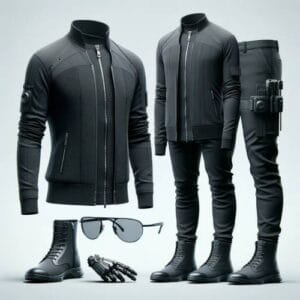 Neon Street Samurai: Combine traditional Japanese elements with futuristic details. Bright neon colors, light-up accessories, and cybernetic limb props can enhance this look.
- Tech-Savvy Hackers: Hoodies mixed with tech wear, including goggles with heads-up displays, gloves with LED fingertips, and lots of wires and portable tech gadgets.
Other Sci-Fi Themes
- Time Travelers: Mix elements from various eras with futuristic details to suggest travel through different periods.
- Galactic Travelers: Think of Star Trek or Star Wars, where each species or planet has its distinct fashion. Use this as inspiration to create unique and varied costumes.
Tips for Futuristic/Sci-Fi Costumes:
- Innovation: Use unconventional materials and clothing to suggest advanced technology. Think metallics, reflective fabrics, and unusual textures.
- Lighting: Small, battery-operated LED lights can add a high-tech feel to any costume.
- Comfort and Mobility: Ensure your costume doesn’t hinder the ability to move around comfortably.
- Safety: If your costume includes electronic elements, make sure everything is secure and safe to wear.
Horror and Spooky Escape Rooms
Horror costumes can significantly amplify the eerie and suspenseful atmosphere of a horror-themed escape room. They can range from subtly creepy to outright terrifying, depending on the theme and desired impact. A lot of these costumes include make-up to sell the effect. If your game master is also your actor, makeup may be out of the question. So, keep that in consideration.
Haunted House
- Ghosts and Spirits: Flowing, ethereal robes in pale or tattered fabrics. Use pale makeup and dark eye shadows to create a ghastly appearance. Wigs or veils can add a mysterious touch.
- Demonic Entities: Utilize makeup and prosthetics to create unsettling, non-human features. Think of horns, unnatural skin tones, and blackened eyes.
- Victorian Ghosts: Combine historical Victorian costumes with a ghostly twist, like aged and tattered lace gowns and suits, to reflect the period’s haunted tales.
Zombie Apocalypse
- Zombies: Tattered and blood-stained clothes, makeup to create a decaying look, and fake wounds. Use contact lenses for a more undead appearance.
- Survivors: Rugged, practical clothing with makeshift armor and weapons. Bandanas, torn shirts, and combat boots can create a survivor’s look.
- Scientist Trying to Make a Cure: white lab coat, safety goggles perched atop the head, and rubber gloves ready for experimentation. Accessorize with a clipboard full of research notes and a few pens in the pocket.
Asylum
 Patients: Straightjackets, ragged hospital gowns, or old-fashioned patient attire. Use makeup to create a gaunt, disturbed appearance.
- Doctors and Nurses: Vintage medical uniforms with a sinister twist, such as blood splatters or disturbing modifications like syringe fingers.
- Creepy Dolls: Porcelain doll makeup and Victorian children’s clothing can create a deeply unsettling effect.
Classic Horror Characters
- Vampires: Elegant, gothic clothing with pale makeup, fangs, and perhaps a touch of fake blood around the mouth.
- Werewolves: Torn clothing with fur peeking through the tears, fangs, and claws. Use makeup and prosthetics to create a lycanthropic transformation.
- Witches and Warlocks: Tattered robes, pointed hats, and accessories like broomsticks or wands. Use makeup to create an aged or malevolent look.
Occult and Witchcraft
- Cultists: Robes with occult symbols, hooded cloaks, and unsettling masks. Accessories might include ritualistic daggers or symbols.
- Witches: More traditional or pagan-inspired outfits with natural elements, bones, and dark, earthy tones.
Tips for Horror Costumes:
- Safety: Make sure your vision isn’t impaired and that you can move safely in your costume.
- Subtlety: Sometimes less is more. Subtle makeup and small details can be more unsettling than over-the-top gore.
Fantasy Escape Rooms
Fantasy costumes transport participants to a world of magic, myth, and legend. These outfits can range from delicate and ethereal to bold and barbaric, depending on the fantasy realm you’re embodying.
Magical Kingdom
 Wizards and Mages: Long robes with mystical symbols, pointed hats, and accessories like wands or staffs. Use rich fabrics and maybe even LED lights to simulate enchantments.
- Enchanted Princesses/Princes: Elegant gowns and regal suits with crowns or tiaras. Think of silks, velvets, and satins adorned with faux jewels.
Fairy Tale
- Fairies: Wings and flowy, shimmering dresses or tunics, often in pastel colors. Accessories might include floral crowns, wands, and glittery makeup.
- Witches/Warlocks: Dark, dramatic robes, and hats with accessories like brooms or crystal balls. Fabrics may be darker and more textured to give a sense of depth and mystery.
Mythological Adventure
- Gods/Goddesses: Outfits inspired by Greek, Norse, or other mythologies. Togas, tunics, or armor with symbolic accessories representing their divine powers.
- Mythical Creatures: Dragons, unicorns, centaurs, etc. These costumes can be quite elaborate, with scales, horns, tails, and other non-human elements.
Medieval Fantasy
- Knights: Armor (which can be real or a lightweight replica) with heraldic symbols, swords, and shields.
- Elves: Elegant and nature-inspired clothing, often in greens and browns, with pointed ears and intricate accessories.
Dark Fantasy
- Vampires: Gothic and elegant, often with a Victorian twist. Pale makeup with dark eyes and lips, and, of course, fangs.
- Necromancers: Dark robes with skulls and other morbid details. Accessories might include staffs topped with skulls or bones.
Tips for Fantasy Costumes:
- Layers and Textures: Fantasy costumes often have multiple layers and a variety of textures to give depth and interest.
- Natural Elements: Incorporating elements like leaves, flowers, or faux fur can add authenticity to creatures and nature-inspired characters.
- Accessories: These can make or break a fantasy costume. Think of jewelry, headpieces, weaponry, and other items that complement your character.
- Comfort and Mobility: Ensure you can move freely and comfortably.
- Shop at Renaissance Fairs: These often have vendors who specialize in fantasy attire.
Detective and Mystery Escape Rooms
Detective and mystery costumes harken back to tales of intrigue, suspense, and sleuthing. They are often inspired by classic detective fiction, film noir, and spy stories, allowing players to step into the shoes of a sharp-witted investigator or a cunning secret agent. Here’s a detailed look at various detective and mystery costume ideas:
Noir Detective
 Classic Trench Coat: A staple of the private eye, often in tan or grey. Pair it with a fedora hat for a quintessential detective look.
- Fedora Hat: Adds an air of mystery and is emblematic of 1940s and 50s detective style.
- Suit and Tie: Underneath the trench coat, a suit maintains the professional, no-nonsense look of a hardboiled detective.
Victorian Investigator
- Inverness Cape and Deerstalker Hat: Think Sherlock Holmes. These are instantly recognizable and epitomize the Victorian-era sleuth.
- Victorian Suit: A three-piece suit with a bow tie or cravat for the gentlemen and a long, fitted dress with a high collar for the ladies.
Modern Private Eye
- Casual Professional: A more laid-back look with a blazer, button-up shirt, and slacks. Add a pair of sunglasses for a bit of intrigue.
- Gadgetry: Modern detectives might have an assortment of tech at their disposal, like a smartphone, camera, or other spy gadgets.
Spy Mission
- Sleek Spy Attire: Think of characters like James Bond. A sharp suit, perhaps with hidden pockets for tools and gadgets.
- Tactical Gear: For a more action-oriented look, incorporate tactical vests, holsters, and maybe even a fake earpiece for communication.
Femme Fatale
- Elegant Gown: A long, sleek dress with perhaps a side slit for mobility and a touch of allure.
- Accessories: Gloves, a clutch with hidden compartments, and statement jewelry that could double as a gadget or weapon.
Tips for Detective/Mystery Costumes:
- Subtlety is Key: The essence of a detective is often their ability to blend in and observe without drawing too much attention.
- Functional Accessories: Consider items that look the part like notebooks, pens, and flashlights.
- Characterization: Think about the character you’re portraying. Are they a grizzled veteran detective, a high-class spy, or a cunning femme fatale? Let this guide your costume choices.
Adventure Escape Rooms
Adventure costumes draw inspiration from explorers, treasure hunters, and swashbuckling pirates, embodying the spirit of daring quests and uncharted territories. These outfits are ideal for escape rooms themed around jungles, ancient ruins, or high seas, allowing your actors to fully dive into the adventurous narrative.
Jungle Expedition
 Explorer Outfits: Think of khaki shirts, cargo pants, and vests with multiple pockets for all your exploring gear. Wide-brimmed hats and sturdy boots are also essential.
- Safari Look: Similar to the explorer, but with more of an emphasis on lightweight, breathable fabrics and perhaps binoculars draped around the neck.
Treasure Hunt
- Archaeologist Gear: Imagine Indiana Jones with rugged shirts, leather jackets, and fedoras. Don’t forget the whip and satchel for a complete look.
- Adventurer’s Attire: Loose, comfortable clothing with lots of belts and pouches for storing discovered treasures. Gloves and a rugged backpack might also be part of the ensemble.
Pirate Adventure
- Pirate Captain: Flamboyant and commanding with tricorn hats, long coats, and boots. Accessories like eye patches, hook hands, and fake parrots can add to the character.
- Sailor or Deckhand: More rugged and worn, with bandanas, striped shirts, and cutlasses. Think of loose trousers, waistcoats, and maybe a vest or two.
High Adventure
- Mountaineer: Equipped for the cold with heavy coats, gloves, and boots. Gear might include ropes, carabiners, and a pickaxe.
- Desert Nomad: Flowing robes to protect from the sun, turbans or headwraps, and sandals. Accessories might include a water flask and a compass.
Tips for Adventure Costumes:
- Practicality: Adventure often means action, so ensure the costume allows for plenty of movement and is comfortable to wear.
- Accessories: Tools and gear not only add authenticity to an outfit but can also be fun to use in an escape room context. Think maps, compasses, binoculars, etc.
- Layering: Many adventure costumes involve layering, which can be both stylish and functional. It allows you to adjust to different temperatures and adds depth to the outfit.
- Weathered Look: Adventures aren’t clean and tidy affairs. Distress your clothing and accessories to give them an authentic, lived-in look.
Remember, the key is to enhance the players’ experience. So, choose costumes that your actors and game masters feel great in and that add to your escape room adventure!
